Period windows need a different approach
Victorian and Edwardian houses have some of the loveliest windows anywhere: tall sashes, deep reveals, bays with cornicing that follows every angle. They are also the windows most often let down by the wrong treatment. A blind that stops the sash from opening, a shutter frame that covers the architrave, or a pole fixed through crumbling plaster all undo the character you bought the house for.
The good news is that almost every period window can be dressed well. It just needs looking at properly before anything is ordered.
Start with the sash
Most period windows in the North West are box sashes, with two sliding sashes counterbalanced by weights hidden in the frame. That brings a few practical points.
The fastener in the middle, the horns that project below the upper sash and the pulley wheels at the top of the frame all sit inside the reveal. A shutter or blind fitted inside the recess must clear every one of them, or the sash will not open fully. If you have replaced your originals with modern sliding sashes, the same applies: check the locks and any trickle vents.
It also matters how you use the window. If you open the top sash for ventilation, a blind that sits close to the glass can blow about or catch. Shutters and Venetians handle that better than soft fabric.
Look at the reveal
Period reveals are often deep, which is a gift. There is room for a shutter frame, a Roman blind or a wood Venetian to sit neatly inside the window, leaving the surrounding architrave on show.
Some houses still have their original shutter boxes, the panelled recesses either side of the window where folding shutters once lived. If they are intact, restoring or rebuilding shutters to fit them can be the most authentic option of all. If they have been boarded over or removed, new made to measure shutters fitted to the window are the modern equivalent.
Where the reveal is shallow, often upstairs or in later Edwardian rooms, a Roman blind fitted outside the recess or a curtain pole above the architrave may be the better choice.
Are shutters a good fit for a period home?
Interior shutters suit period homes because they are a period idea. They give privacy, control light, add a layer of insulation and look as though they belong. The main styles each have their place.
Full height shutters cover the whole window with one set of panels. They give the most formal, finished look and suit principal rooms.
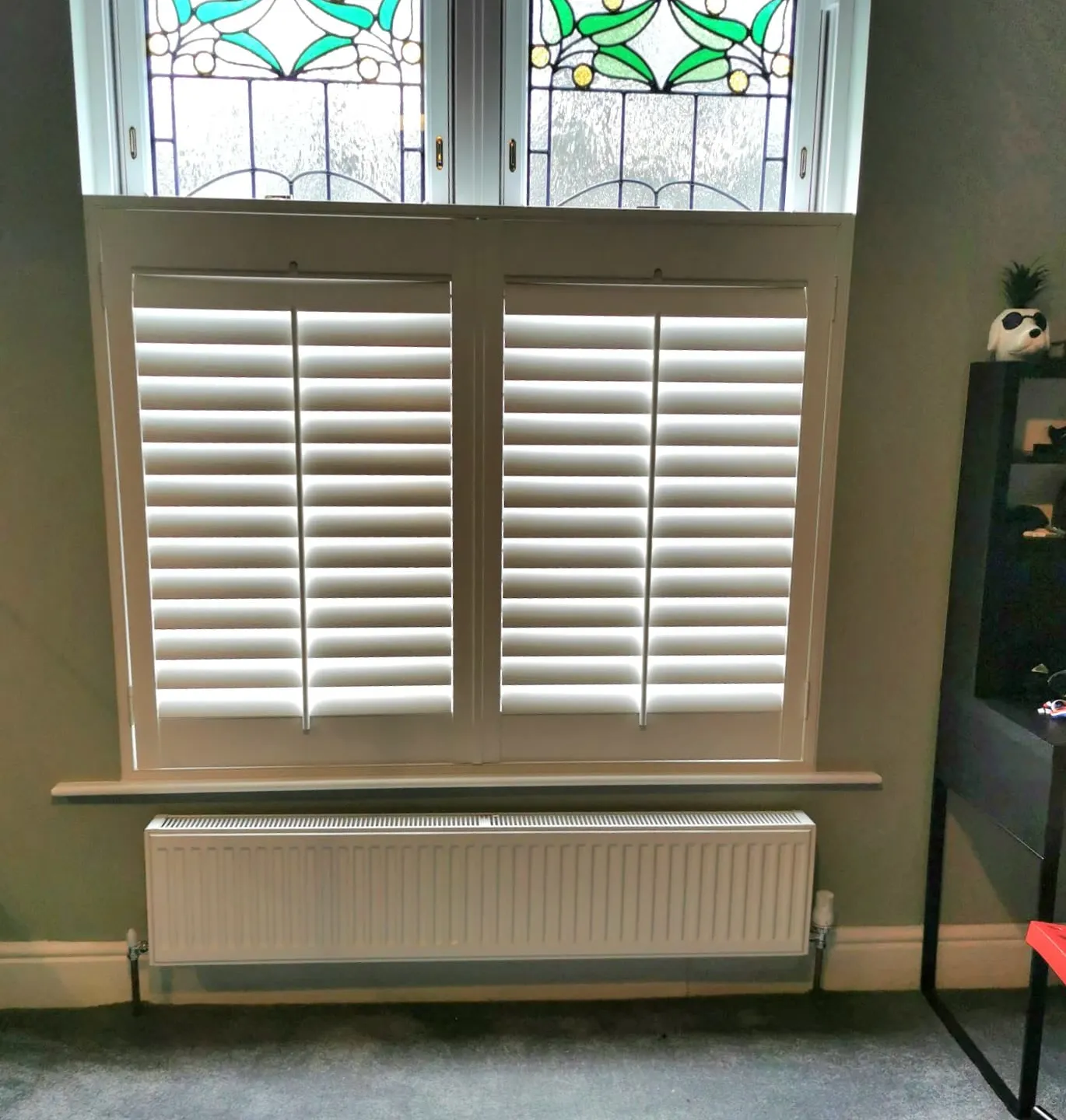
Tier on tier splits the window into top and bottom panels that open independently. On a front room facing the street, you can fold back the top for daylight and keep the lower half closed for privacy. This is the most practical style for sash windows.
Café style covers only the lower part of the window. It keeps the top clear and suits kitchens, bathrooms and rooms where you want the full height of the sash to show.
Louvred panels let you tilt light in and out. Solid panels block light completely and suit bedrooms, or rooms where you want the look of original Georgian or Victorian panelled shutters. Many period homes use louvred shutters downstairs and solid or blackout options upstairs. More on interior shutters.
Blinds that suit period rooms
Not every period window needs shutters, and blinds give more flexibility for less structure.
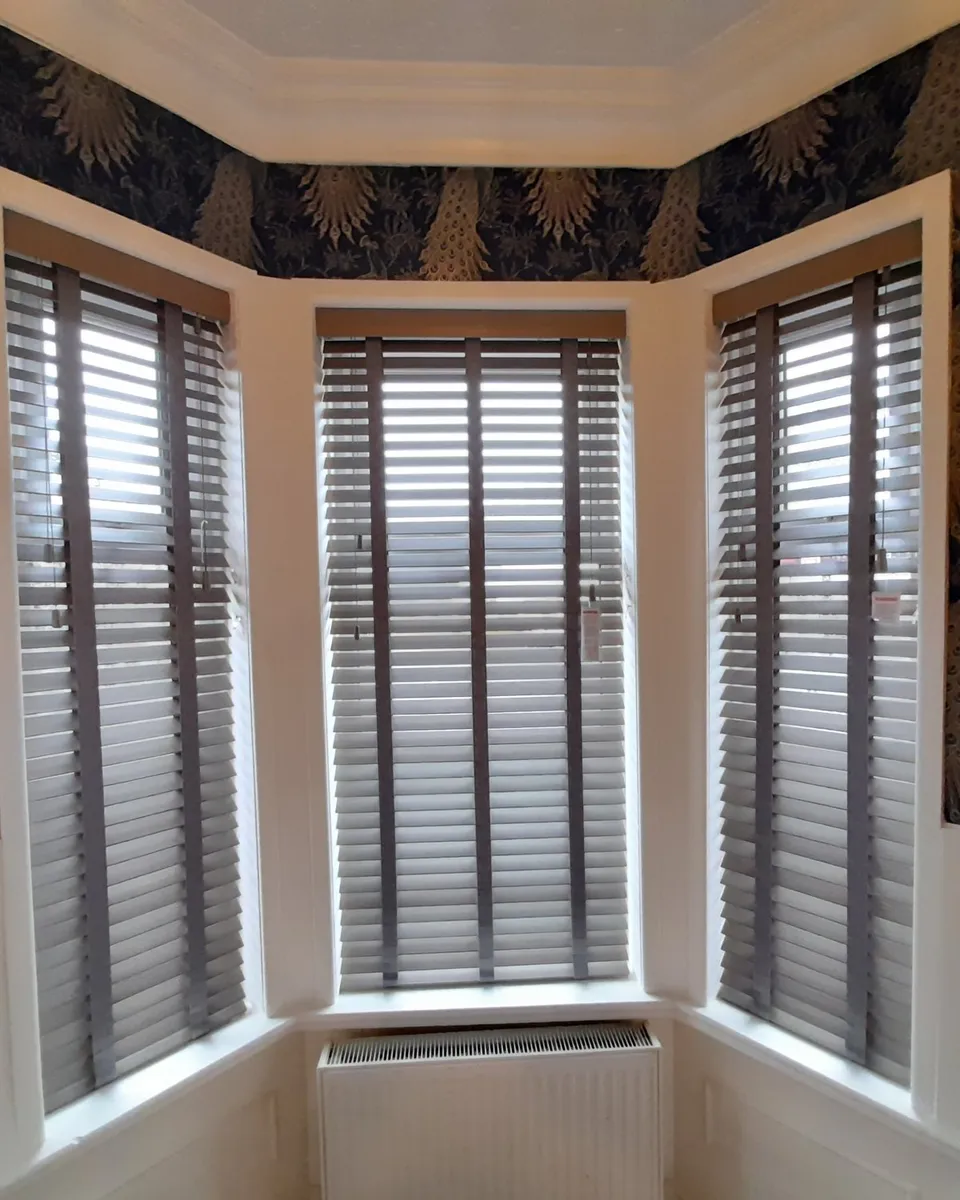
Wood Venetian blinds have the warmth and weight to sit comfortably in a traditional room, especially with wide slats and fabric ladder tapes that hide the cords. They are a good choice for bays and tall sashes where shutters would be heavy. See Venetian blinds. How a Venetian blind controls the view covers the slat and lift details.
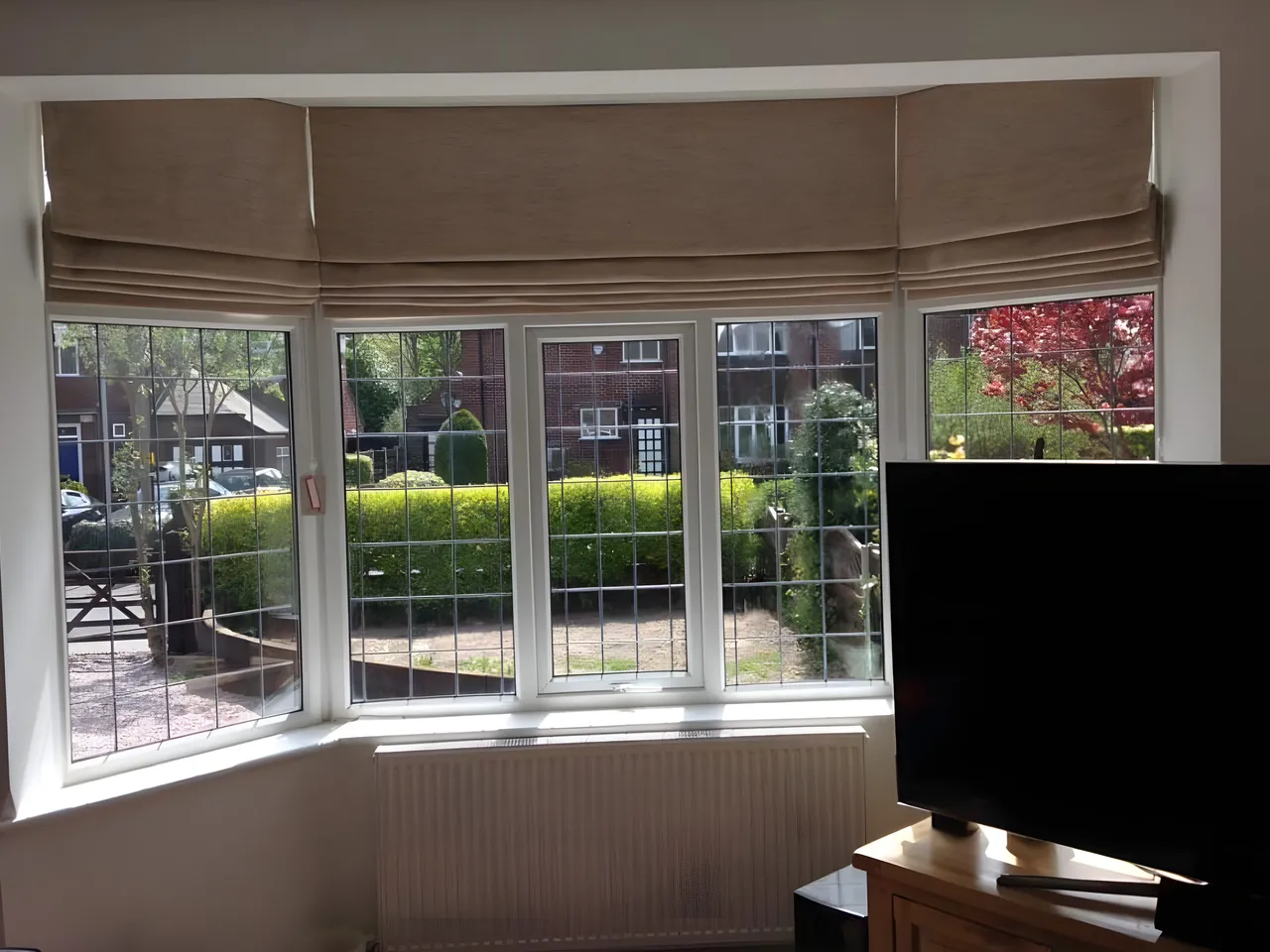
Roman blinds soften a room and work particularly well in shallow reveals and bedrooms. A lined or blackout Roman in a natural linen or a heritage pattern suits period interiors, and when raised the stack of folds sits neatly at the top of the window. See Roman blinds.
Roller blinds fitted discreetly inside the reveal can sit behind curtains to add blackout or privacy without being seen.
Curtains and poles
Curtains remain the most traditional window dressing for a period house, and a good pair on the right pole can transform a room. Choose a pole weight and finial style that suits the period: wooden or wrought finishes for Victorian rooms, slimmer brass or painted poles for later Edwardian houses.
Fix the pole high enough to show the whole architrave and wide enough that the curtains stack back clear of the glass. On tall windows this makes the ceiling feel higher and the window grander. Where there is ornate cornicing, keep brackets clear of it. It is far easier to set the pole a few centimetres lower than to repair a damaged cornice.
Fixing into old walls
Period houses are built differently, and fixings have to allow for it. Walls are often lime plaster over brick, and ceilings and some partitions are lath and plaster. Both can crumble or crack if drilled with the wrong bit or loaded in the wrong place. We check what we are fixing into before drilling and choose fixings to suit, so shutter frames, blind brackets and curtain poles stay put for years.
Period windows are rarely square. Frames settle, reveals lean and the width at the top can differ from the width at the bottom. That is why every window is measured at several points in width and drop before anything is made. Shutter frames in particular are built to take up these differences, so the panels hang true even when the opening is not.
If your home is listed
If the property is listed, even internal changes can need listed building consent, and fixings to historic fabric such as original joinery or panelling are sometimes included. The rules depend on the building and the local authority. The safest approach is to speak to your local conservation officer before anything is drilled, and to let us know at the survey so we can plan fixings that keep changes to a minimum.
Bays and combined treatments
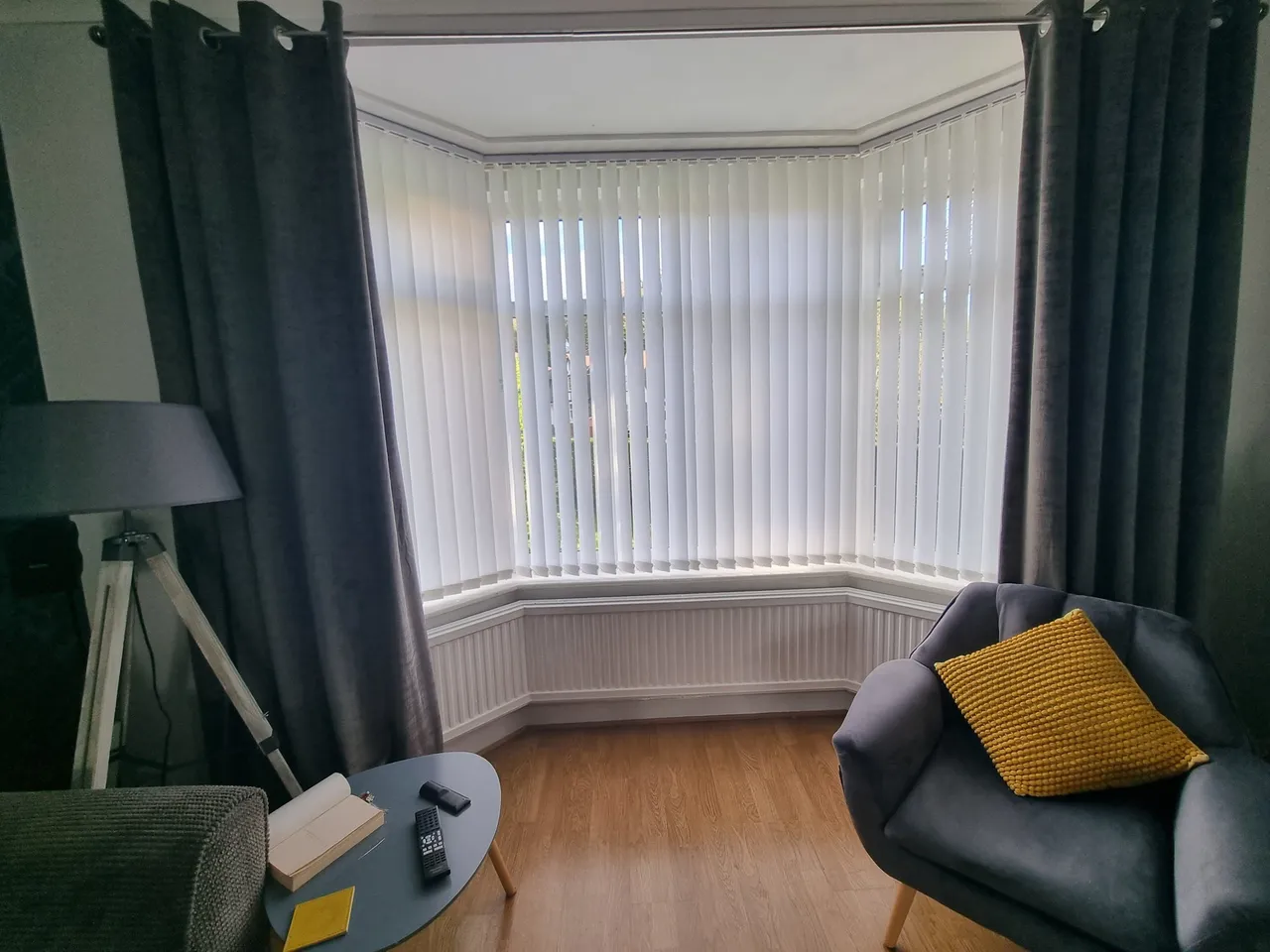
Many period homes have a bay at the front, and dressing a bay brings its own questions about corners, tracks and poles. Our guide to dressing a bay window covers those in detail. And if you want blinds or shutters for daily use with curtains for warmth and softness, read our guide to layering curtains and blinds.
Made for the house you have
Every shutter, blind and curtain we fit is made to measure for the window it hangs in and fitted by our own team, with child safety devices to BS EN 13120 on every blind. From survey to fitting typically takes seven to ten days.
If you are working through a period house room by room, we would be glad to see it. Book a free home visit and we will bring the samples and look at every window with you.